BROWSE BY SPORT








For grassroots sports clubs, sponsorship can be a lifeline - helping to fund equipment, facility hire, coaching, and teamwear. Yet, many clubs struggle to attract and retain sponsors. The good news is that with the right approach, even small clubs can build strong, mutually beneficial partnerships with local businesses and beyond.
1. Understand What Sponsors Really Want
Before approaching potential sponsors, it’s important to shift perspective. Sponsorship isn’t simply a donation - it’s a business decision. Companies want visibility, brand association, and a connection with their local community. Grassroots clubs are uniquely positioned to deliver exactly that. They engage families, bring people together, and often have strong social media or local presence.
When pitching, highlight your audience demographics, matchday attendance, online following, and community involvement. The clearer you can demonstrate value, the more attractive your offer becomes.
2. Build a Professional Sponsorship Package
A well-prepared sponsorship proposal can make all the difference. This should include:
- An introduction to your club and its history
- Your mission and community impact
- Sponsorship opportunities (kit branding, pitch-side boards, social media mentions, event sponsorship, etc.)
- Clear benefits for the sponsor
- Flexible pricing tiers
Professionalism matters - presentation reflects how sponsors will perceive your club as a partner.
3. Focus on Relationships, Not Just Revenue
Successful sponsorship is built on relationships, not one-off transactions. Engage with local businesses, attend networking events, and invite potential sponsors to matches or club events. Show genuine interest in their business and look for ways to support them in return.
A sponsor who feels connected to your club is far more likely to commit long term - and even increase their investment over time.
4. Deliver on Your Promises
One of the biggest mistakes grassroots clubs make is failing to follow through. If you’ve promised social media promotion, signage, or branding exposure, it must be delivered consistently.
Going above and beyond - such as tagging sponsors in posts, featuring them in newsletters, or involving them in club events - can turn a simple sponsor into a loyal advocate.
5. The Role of Identity and Kit in Sponsorship Success
Your club’s identity plays a crucial role in attracting sponsors. A strong, consistent visual presence not only enhances professionalism but also increases the perceived value of sponsorship opportunities.
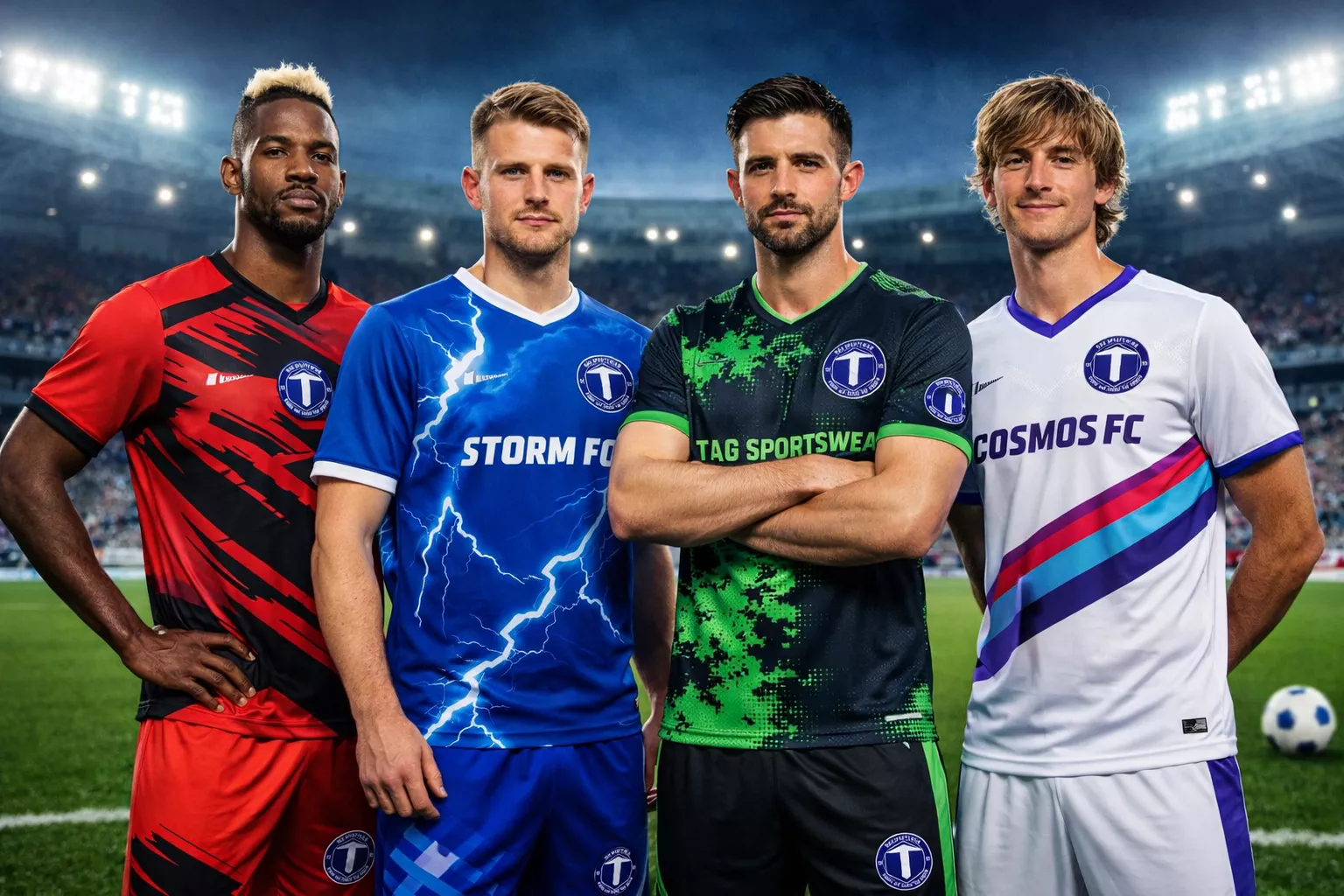
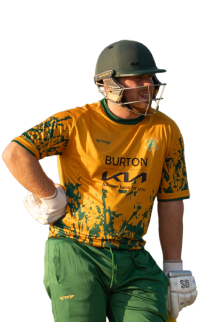
Partnering with a specialist provider such as TAG Sportswear can make a significant difference here. By developing a unique, long-term, bespoke club identity - through custom-designed kits, training wear, and off-field apparel - you create a powerful branding platform. Sponsors are far more likely to invest in a club where their logo sits proudly on high-quality, distinctive kit that players, fans, and the wider community will see and recognise.
This kind of consistency also ensures longevity. When your club maintains a clear identity season after season, sponsors benefit from ongoing brand exposure rather than short-term visibility. In essence, a professional, customised look doesn’t just improve team spirit - it directly enhances the commercial appeal of your sponsorship offering.
6. Think Long-Term
Finally, aim to build partnerships that last. Rather than constantly seeking new sponsors, focus on retaining existing ones by delivering value, maintaining communication, and evolving your offering as the club grows.
Securing sponsorship for a grassroots sports club isn’t about asking for money - it’s about creating partnerships that benefit both sides. With the right strategy, strong relationships, and a professional identity, even the smallest clubs can unlock meaningful and sustainable support.